Human meets data Brand identity and strategy // Product design, UX, UI // Visual design // Motion design // Creative direction // Campaigns // Events // More
World Wide Web Foundation: Equity isn’t equality. That’s also in tech.
Teach a man to fish—and give him the tools too. At the Web Foundation, I dove into unfamiliar territories like data privacy and net neutrality, learning to push creative boundaries beyond traditional infographics.
Context
Founded by the inventor of the web, the Foundation works on the front lines of digital rights, yet its complex data-driven mission can often feel abstract to the general public.
We believed that you can give two people access to the exact same data, but one who knows how to work with it, e.g. a tech guru, will have different results that someone who doesn’t, e.g. a farmer. So our goal was to help level the field in ways that we could, and empower people with knowledge and tools, one innovative approach at a time.


Challenge
Translate high-level policy, open data research, and advocacy into a compelling visual narrative that moves both world leaders and everyday citizens.



Strategy
"Human meets data." The strategic goal was to ground the Foundation's abstract data in human stories, making digital equality a tangible and urgent issue through design.
What I did
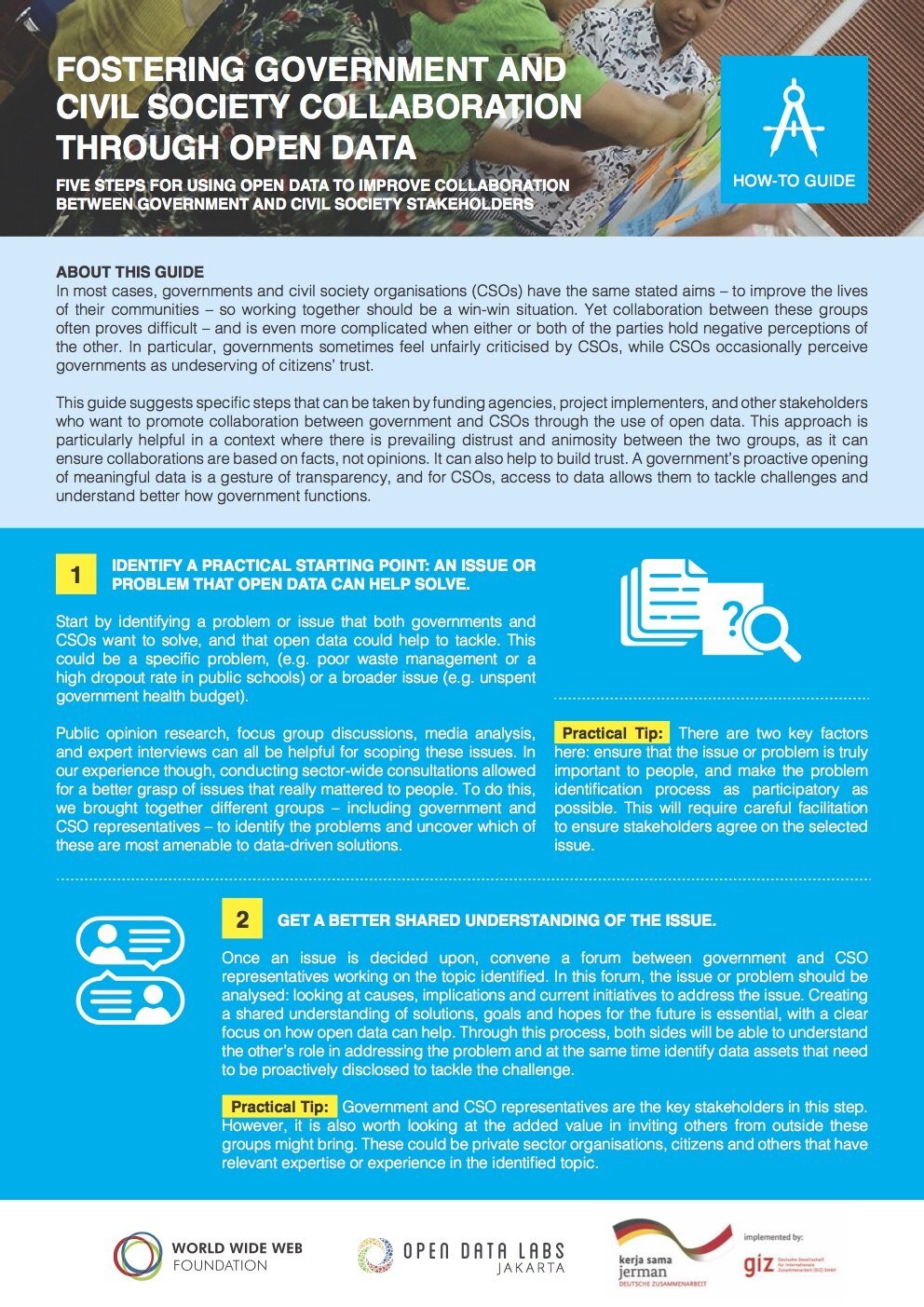
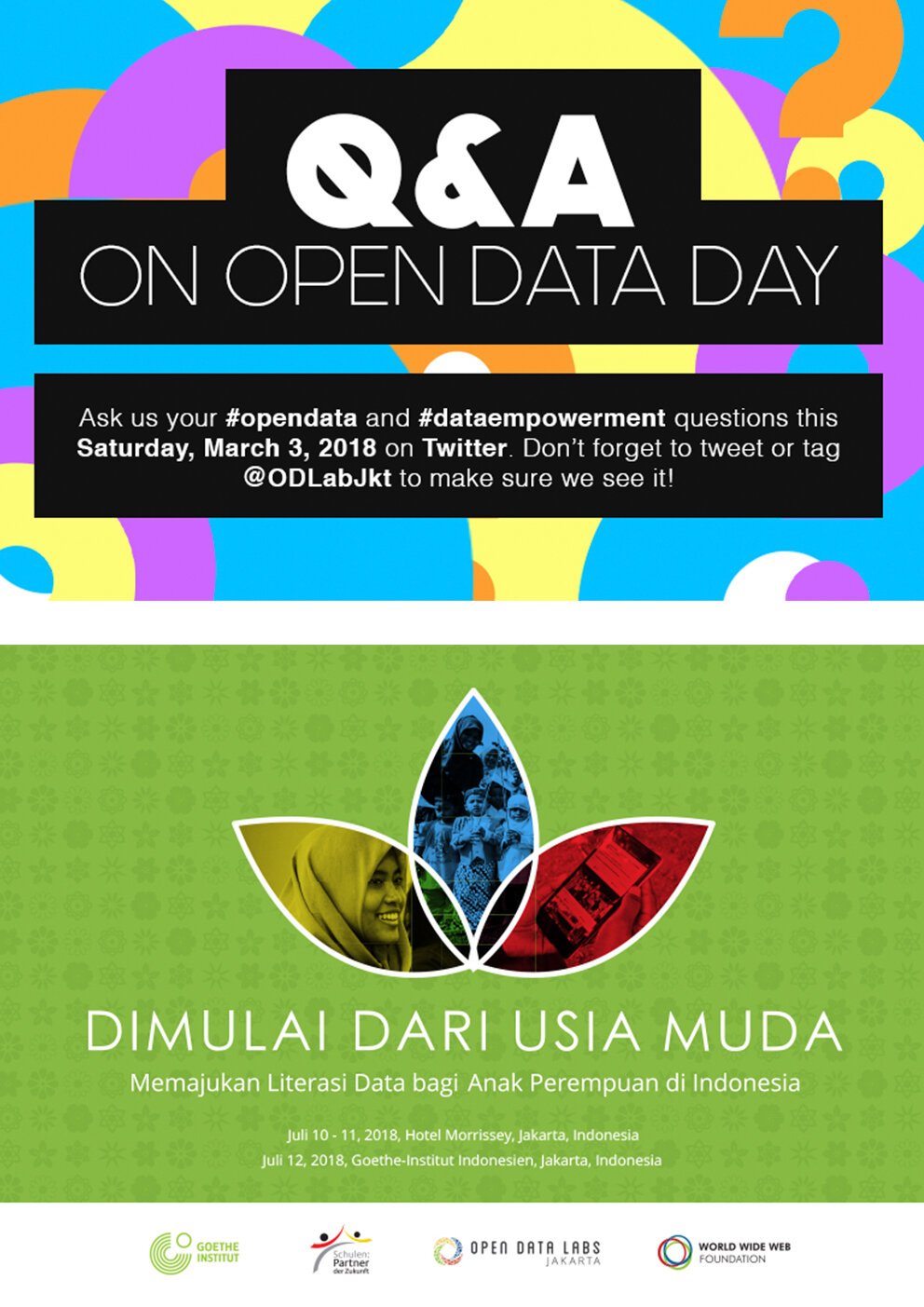
I provided creative direction and hands-on work for the brand's global identity and led the UI/UX for their digital platforms. I also facilitated design sprints and workshops to help the team better communicate their impact across digital, social, and print campaigns.
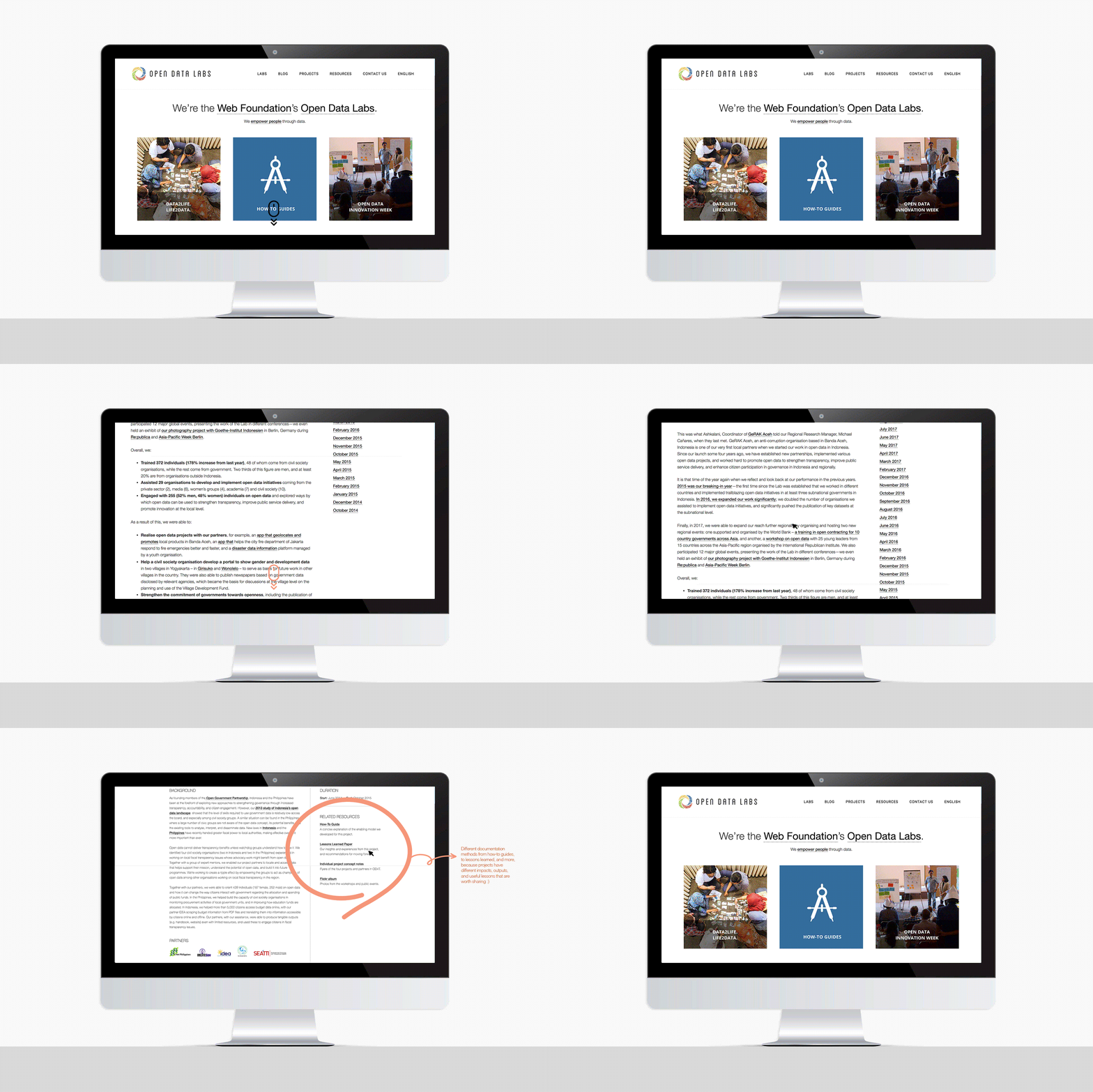
Even working with "serious topics" such as data, transparency and privacy, it's possible - even more important! - to make the UX-friendly, easy and clean. The two websites shown here - Open Data Labs and Open Data Barometer - are examples of websites containing and displaying a lot of data/information but still clean and usable.
The Web Foundation has several programmes under it, each with their own brand style. While it's important to adhere to the individual styles, it's equally crucial to tie them together coherently under one parent umbrella.


Outcome
Delivered a cohesive, authoritative brand system used globally to advocate for a more open and equitable web, ensuring their research reached a wider, more engaged audience.




Story time:
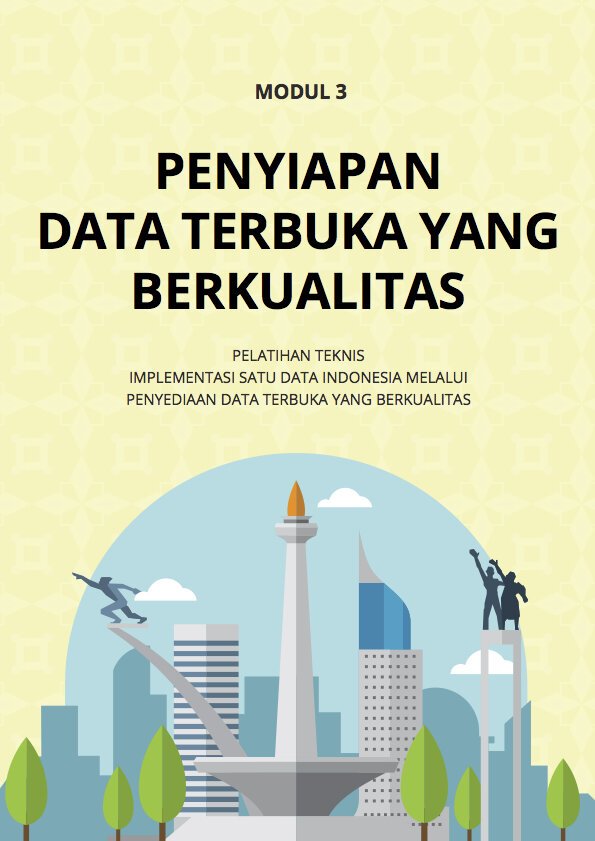
In one project “Data2Life. Life2Data.”, our team was faced with the interesting challenge to show the impact of data in understandable ways—at a glance, without text (due to language barriers), and also challenge our partners to better learn about data and its impact. The result? Data analysis, visualisation and photography workshops for the partners and a traveling photography exhibit in Jakarta, Yogyakarta, Berlin, and Madrid for starters—and lasting new skills for local organisations and improved partnership between them and the local government.
In another project, one of our key findings was that although data is nowadays closely associated with tech and the digital space, there are still areas that don’t have access to those.
In remote villages in Indonesia, internet penetration was scarce and low, so we and our local partners went “old school” to engage citizens better and keep them informed—using radio and newspapers as the citizens’ preferred media.
Credits to the Web Foundations’ previous Communications and others designers/agencies who I’ve co-developed the brand identity with.
Tags: Brand identities and strategies // Brand governance // Design thinking // Experience design // Visual design // Product design, UX, UI // Motion design // Campaigns // Creative direction // Art direction // Photography // Events // MORE
